Expert Advice on Guelph Heating and Cooling Experts for Reliable HVAC Service
Expert HVAC Solutions: Keep Your Home Pleasant Throughout the Year
Dependable HVAC options are vital in preserving year-round comfort in homes. Grasping the complications of heating, ventilation, and air conditioning setups is important for homeowners. Identifying recurrent issues can prevent inefficiency and discomfort. Regular upkeep is frequently neglected read here yet vital. As technology advances, novel options for monitoring and control come into being. What elements should be considered when opting for the right system for your home? The conclusions may surprise you.
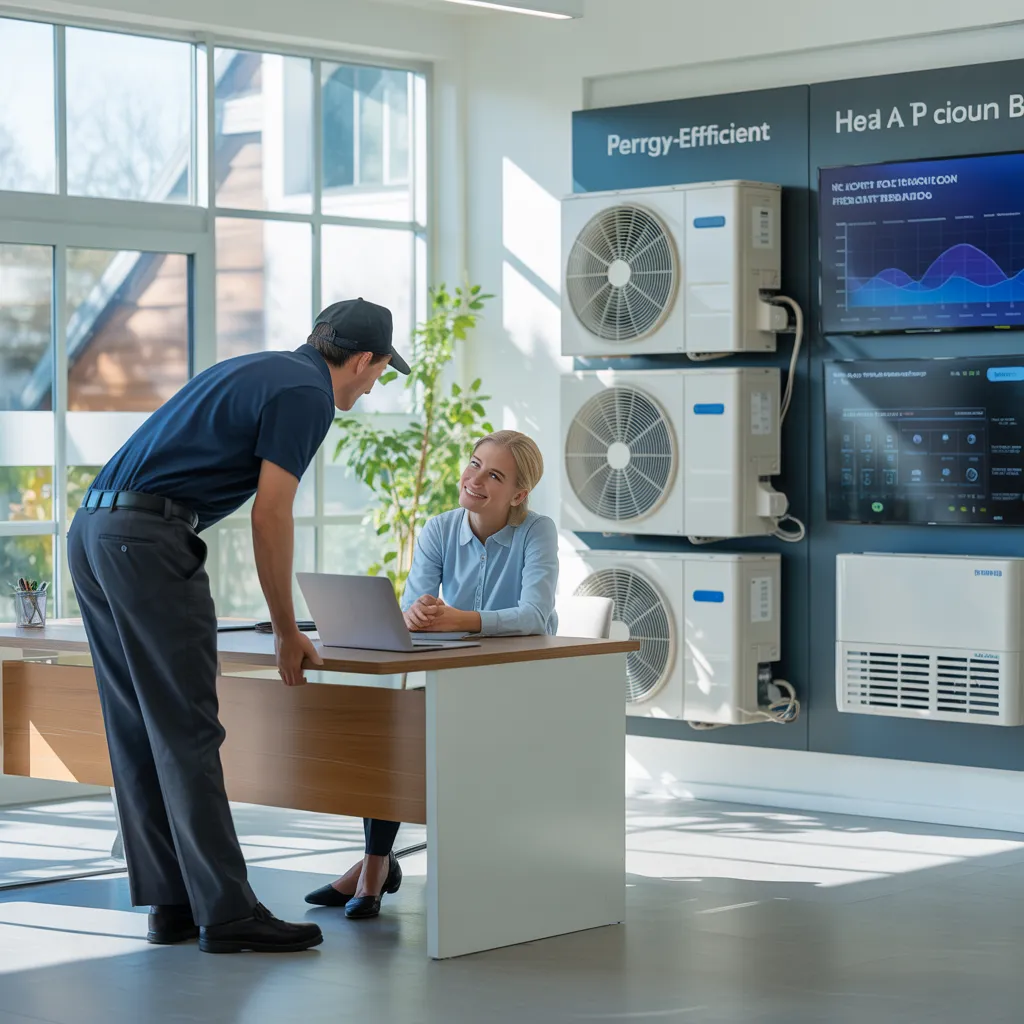
Learning the Foundation of HVAC Systems
HVAC systems, an essential part of modern buildings, control indoor climate and air quality. These systems consist of heating, ventilation, and air conditioning components that work together to maintain comfortable indoor environments year-round. Heating elements, such as furnaces or heat pumps, produce warmth during colder months, while air conditioning units cool spaces during hot weather.
Air circulation is vital for ensuring adequate air circulation and lowering indoor contaminants, usually realized through natural or mechanical techniques. Additionally, HVAC systems can be equipped with cutting-edge controls and smart technology to enhance efficiency and comfort. Regular upkeep is necessary for peak performance and longevity, averting breakdowns and maintaining efficient energy use. Understanding the basic functions and components of HVAC systems permits homeowners to make informed decisions about their upkeep and installation, promoting a more comfortable and healthier living space.
Typical HVAC Concerns and How to Spot Them
Normal functioning of HVAC systems can sometimes be interrupted by various issues that may develop over time. Typical issues consist of insufficient temperature control, which may suggest a malfunctioning thermostat or dirty air filters. Unusual noises, such as banging or rattling, can signal detached parts or a failing motor. Furthermore, a persistent odor—especially a burning smell—could suggest electrical issues or overheating.
Another concern is accumulated moisture, which may lead to mold growth and points to drainage issues. If monthly charges jump unexpectedly, this may be a sign of system inefficiencies, often due to ductwork leaks or insufficient insulation. Finally, frequent cycling on and off can signify an inappropriately large system or thermostat issues. Recognizing these signs early can help homeowners address problems promptly, ensuring an efficient and comfortable living environment in their homes.
What Should You Consider When Selecting an HVAC System?
When selecting an HVAC system, two critical factors come into consideration: system size and energy efficiency ratings. Correct sizing guarantees peak performance and coziness, while energy efficiency ratings influence long-term operating costs. Comprehending these elements can result in better choices for both domestic and commercial needs.
Dimensions of Your System Is Critical
Selecting the right HVAC system is essential for maintaining comfort and efficiency in a home or building. One of the main factors to consider is system size, as an incorrectly sized unit can lead to various issues. An undersized system may struggle to maintain targeted temperatures, resulting in greater energy consumption and wear. Conversely, an oversized system can turn on and off repeatedly, leading to reduced performance and possible humidity problems. To identify the right size, homeowners should assess the space's square footage, insulation levels, and local climate conditions. Consulting with a certified HVAC professional can provide valuable insights and confirm the selected system meets the specific heating and cooling needs of the environment, ultimately improving overall performance and comfort.
Energy Efficiency Ratings
Energy efficiency ratings hold an essential part in the decision-making process for HVAC systems. These ratings, such as SEER (Seasonal Energy Efficiency Ratio) for cooling and AFUE (Annual Fuel Utilization Efficiency) for heating, convey how effectively a system harnesses energy into heating or cooling. Higher ratings routinely denote lower energy consumption and reduced utility bills, helping both the natural environment and the homeowner's budget. When choosing an HVAC system, prospective buyers should consider these ratings alongside their specific climate and usage patterns. Understanding the long-term savings associated with higher efficiency units can facilitate more informed choices. Additionally, local financial incentives or incentives for energy-efficient models may further sway the selection process, making it vital to evaluate all available options.
Why Ongoing HVAC Upkeep Is Vital to Home Well-being
Although many property owners disregard it, regular system upkeep is essential for achieving optimal home pleasantness. Routine servicing helps identify and address potential issues before they escalate into costly repairs. A properly serviced HVAC system functions more efficiently, offering consistent heating and cooling throughout the home, which enhances a pleasant living environment.
In addition, consistent maintenance improves indoor air quality by cleaning or replacing filters, reducing allergens and pollutants. It also extends the life span of the system, reducing the need for untimely replacements. Homeowners who invest in periodic check-ups often have fewer breakdowns, giving peace of mind, especially during severe weather.
Furthermore, routine upkeep can lead to energy reductions, as an efficient system uses reduced power to maintain preferred climate levels. Overall, prioritizing HVAC upkeep is a essential step in establishing a healthy and comfortable home environment while safeguarding against unforeseen costs.
Practical Methods to Boost HVAC Energy Efficiency
Maximizing HVAC power consumption efficiency is required for both cost savings and environmental consequences. Preventive maintenance is critical in assuring ideal system performance, while intelligent climate controllers present superior regulation for energy management. As a whole, these tactics can markedly enhance overall efficiency in heating and cooling systems.
The importance of routine upkeep
Regular upkeep is crucial in enhancing HVAC power performance. Routine inspections and servicing ensure that systems operate at optimal capacity, reducing energy usage and expenses. Regularly cleaning or replacing filters avoids dust buildup, which can block airflow and strain the system. Additionally, inspecting and sealing ducts minimizes energy loss, assuring that conditioned air reaches intended spaces efficiently. Technicians can identify potential problems during maintenance appointments, addressing them before they escalate into costly repairs or replacements. Furthermore, greasing moving parts decreases friction, contributing to smoother operation and longevity. By focusing on regular maintenance, homeowners can markedly improve their HVAC systems' performance, leading to a pleasant living space and reduced energy bills throughout the year.
Benefits of Smart Thermostats
Incorporating smart thermostats can substantially increase HVAC energy efficiency by allowing homeowners to customize temperature settings based on their schedules and preferences. These devices learn user behaviors, adjusting heating and cooling automatically to guarantee comfort while reducing energy consumption. Sophisticated capabilities, such as remote access via smartphones, enable users to monitor and control systems from anywhere, enhancing overall efficiency. Additionally, smart thermostats often provide extensive usage data, helping homeowners recognize trends and make smart choices. Some models even link to multiple smart devices, creating a cohesive energy management system. By investing in smart thermostat technology, homeowners can considerably cut utility expenses and contribute to a more sustainable environment.
How Intelligent HVAC Technology Boosts Home Well-being
Intelligent HVAC solutions greatly enhances home comfort by optimizing climate regulation and improving air condition. These progressive mechanisms incorporate smart thermostats, which acquire user desires and adjust heating and cooling automatically, guaranteeing dependable comfort throughout the home. This adaptability minimizes energy expenditure, causing lower utility bills.
Furthermore, advanced HVAC systems often feature air quality sensors that monitor pollutants, humidity levels, and temperature fluctuations. By integrating with air purifiers and ventilation systems, these technologies guarantee that indoor air remains clean and healthy.
Furthermore, remote access features empower homeowners to control their HVAC systems from mobile devices, allowing for adjustments even when away from home. This level of oversight strengthens comfort and grants peace of mind. Ultimately, smart HVAC technology not only forms a more comfortable living environment but also furthers energy efficiency and health, making it a crucial component of modern home comfort solutions.
How Expert HVAC Solutions Enhance Your Home Experience
Expert HVAC systems greatly magnify the overall domestic environment by confirming ideal system design, installation, and maintenance. Advisors in the trade examine distinct home circumstances, optimizing system capability for operational economy and contentment. This adapted methodology helps manage indoor temperatures, boosting enjoyment during severe climatic conditions.
Moreover, proficient professionals deliver periodic upkeep, which minimizes the possibility of sudden breakdowns and prolongs system longevity. Homeowners enjoy cleaner indoor air through proper filtration and ventilation, reducing allergens and enhancing overall health.
Furthermore, modern heating and cooling systems often integrate intelligent automation, permitting remote monitoring and control, which further improves the client satisfaction.
In the end, the proficiency of HVAC professionals converts a house into a comfortable sanctuary, building a satisfying living environment year-round. By prioritizing both optimization and relaxation, these technologies add considerably to the standard of home life, making them crucial for modern households.
Frequently Asked Inquiries
How Frequently Do I Need to Replace My HVAC System?
HVAC systems generally need a new installation every 10 to 15 years, influenced by usage and maintenance. Consistent inspections can increase their operational life, but symptoms of reduced performance or ongoing repair costs may signal it's time for a fresh unit.
What Are the Symptoms I Should Consider a New HVAC Unit?
Evidence pointing to the need for a new HVAC unit are frequent breakdowns, rising energy bills, subpar temperature regulation, unexpected sounds, and age exceeding 15 years. Replacement could optimize performance and improve indoor comfort considerably.
Can HVAC Systems Help You Eliminate Indoor Allergens?
HVAC systems can considerably reduce indoor allergens by boosting air filtration and circulation. Advanced filters capture dust, pollen, and other irritants, producing a cleaner environment and supporting better respiratory health for occupants. Regular maintenance guarantees peak performance.
What Is the Average Lifespan of an HVAC System?
The average lifespan of an HVAC system generally extends from 15 to 25 years, influenced by considerations including maintenance, usage, and the specific type of system installed, shaping overall operational performance and extended life.
What's the Right Way to Select an HVAC Specialist?
One should pick an HVAC contractor by investigating qualifications, checking feedback, evaluating quotes, confirming coverage, and guaranteeing proper licensing. Expertise and reliability are critical for guaranteeing quality setup and upkeep of HVAC systems.